Last updated: August 10, 2026
- In the U.S., generics save an estimated $373 billion each year, according to the FDA.
- In 2022, the average retail copay for a generic prescription was about $6, compared with about $56 for a brand-name drug.
- FDA What Makes a Drug Generic?
- A brand-name pill can cost a lot.
A brand-name pill can cost a lot. Generic medications usually cost less, yet they’re designed to do the same job. They use the same active ingredient and are meant to treat the same condition, but you should consult a doctor or pharmacist before switching. For many people, a generic is a plain, practical way to save money without changing the medicine they take.
Quick Answer
A generic medication is a drug that works like a brand-name medicine but is sold after the original patent has expired. The FDA says generics must match the brand-name drug in active ingredient, strength, dosage form, and route of use. They must also meet the same quality standards. FDA
What Makes a Drug Generic?
First comes the brand-name version: a company develops the medicine and brings it to market under a trade name. After patent protection ends, other companies can make that same medicine as a generic.
That does not make it a watered-down copy. It must contain the same active ingredient and work the same way in the body. The FDA requires proof that the generic delivers the drug in a similar way to the brand-name version. FDA
Generics may look different. Another color, shape, or size is fair game. They may also use different inactive ingredients, such as fillers or dyes. Usually, those changes do not affect how the medicine works.
Generic vs. Brand-Name: What Changes?
Price is often the biggest split. Generic drugs usually cost less because the maker did not pay for the original research, testing, and early marketing of the drug. In the U.S., generics save an estimated $373 billion each year, according to the FDA. FDA
Other differences can include:
- appearance
- package label
- inactive ingredients
- the company that makes them
What stays the same is the active ingredient and the intended use. For most people, that is the part that matters most. The box may look different; the medicine should not.
When a Generic Is a Good Choice
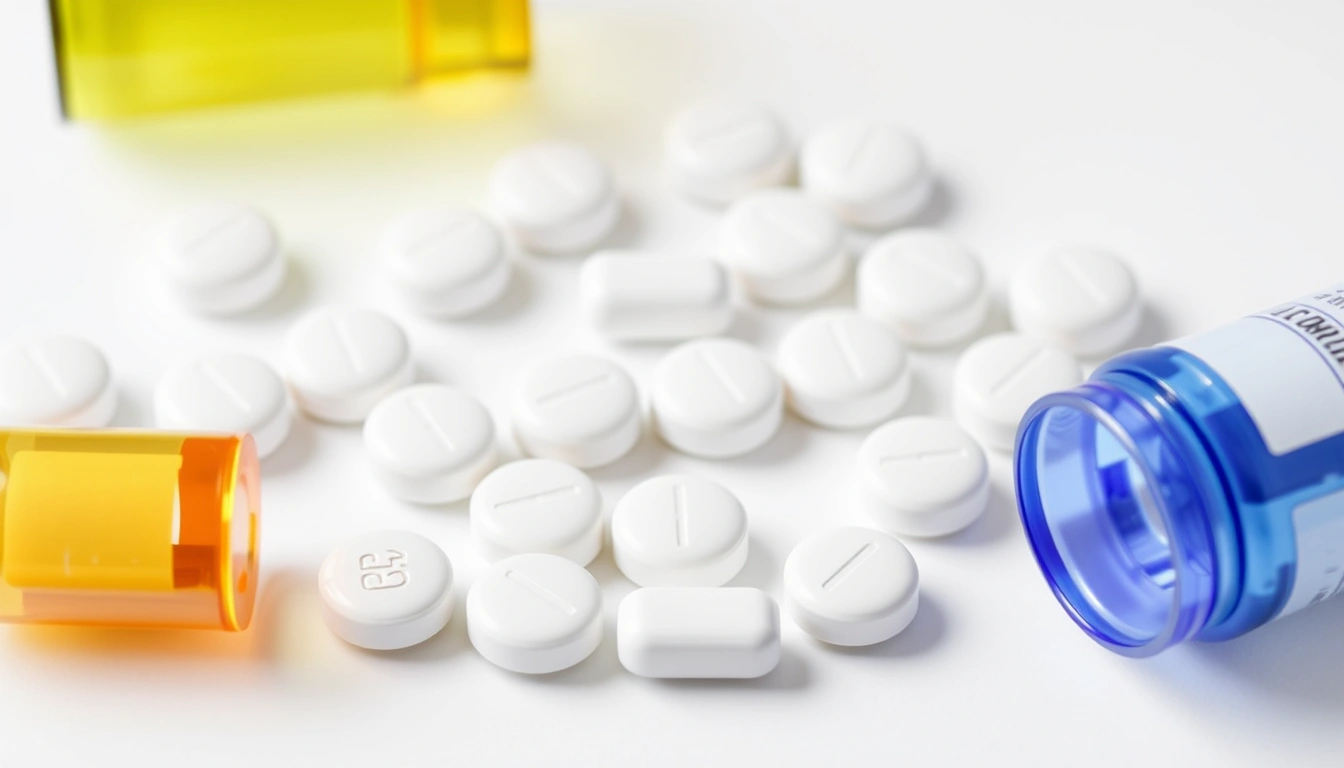
A generic often makes sense when you want the same treatment at a lower cost, but it is still worth checking with your doctor or pharmacist. When your doctor, pharmacist, or insurer offers a generic, ask about it. For many common medicines, the generic is the standard choice once it is available.
This can be especially helpful if you take medicine long term. Lower cost can make it easier to keep taking the drug as prescribed. Should you be paying out of pocket or have a high copay, a generic may reduce the strain on your budget. In 2022, the average retail copay for a generic prescription was about $6, compared with about $56 for a brand-name drug. KFF
Limits and Honest Drawbacks
Generics are not perfect for every person or every drug. A real drawback is that a person may react to an inactive ingredient in one version and not another. Some people also notice that a switch in pill shape, color, or filler affects how they feel, even when the medicine is medically equivalent. Funny thing, really: a tiny dye can feel like the whole story.
Some drugs also need closer watch when switched between versions. This is more of a concern for medicines with a narrow therapeutic index, where small changes in dose matter. Should you take one of these drugs, ask your clinician before changing products.
How to Use a Generic Safely
Follow a simple check before you switch:
- Ask the pharmacist whether the generic matches your current drug.
- Check the active ingredient and dose on the label.
- Look for any allergy warnings tied to dyes, fillers, or capsule materials.
- Tell your doctor or pharmacist if you notice new side effects after a switch.
- Keep taking the medicine only as directed.
When something looks different, do not guess. Ask the pharmacy to explain the change. That is usually the best way to avoid confusion.
Common Mistakes and Risks
A common mistake is assuming every generic is identical in every detail. It is not. The active ingredient should match, but the inactive ingredients may not.
Another risk is switching between products without telling your care team. That can make it harder to track side effects or know which version caused a problem, so it helps to consult a pharmacist or doctor. If you use several medicines, keep a list of the names and strengths. Jot it down. Seriously.
Bottom Line
Generic medications are lower-cost medicines that use the same active ingredient as brand-name drugs. For most people, they are a safe and practical choice. The main trade-off is that some people need to watch for differences in inactive ingredients or how they respond after a switch.
If you have a chronic condition, a drug allergy, or a narrow-dose medicine, talk with a pharmacist or doctor before changing products.