Last updated: August 10, 2026
- In 2023, the average annual deductible for workers with single coverage was $1,735, according to KFF.
- What This Guide Covers This article is for anyone who wants to understand why one prescription costs $10 and another costs $90.
- In 2024, many plans still used pharmacy networks and tiered formularies, so the final amount can vary by benefit design.
- How to Estimate What You Will Pay Start with your insurance formulary.
Key Facts
- Your out-of-pocket drug cost usually comes from the list price, your insurance plan, your deductible, your copay or coinsurance, and the pharmacy’s contract with your plan.
- Generic drugs are often cheaper than brand-name drugs because they use the same active ingredient and usually face less research and marketing cost.
- Prices can still vary from one pharmacy to another, even for the same drug and dose.
- If a medicine causes a reaction or side effect, contact a healthcare professional or pharmacist for advice; if symptoms are severe or life-threatening, seek urgent care.
- High-deductible health plan? You may pay the full price until you meet the deductible.
- Discount cards, coupons, and patient assistance programs may lower costs, but they can also have limits or exclusions.
Quick Answer
No single rule sets prescription prices. They’re a patchwork. The amount you pay depends on the drug itself, the dose, the number of pills, your insurance, and where you fill it. A practical way to estimate your cost is to check your plan details, compare pharmacies, and ask whether a generic or lower-cost option exists.
What This Guide Covers
This article is for anyone who wants to understand why one prescription costs $10 and another costs $90. It also helps if you have insurance but still get a surprise bill at the counter.
Complex case? Several medicines? A coverage dispute? A pharmacist, prescriber, or insurance representative can help you sort out the details. Honestly, that’s often faster than guessing.
The Main Pieces That Set the Price
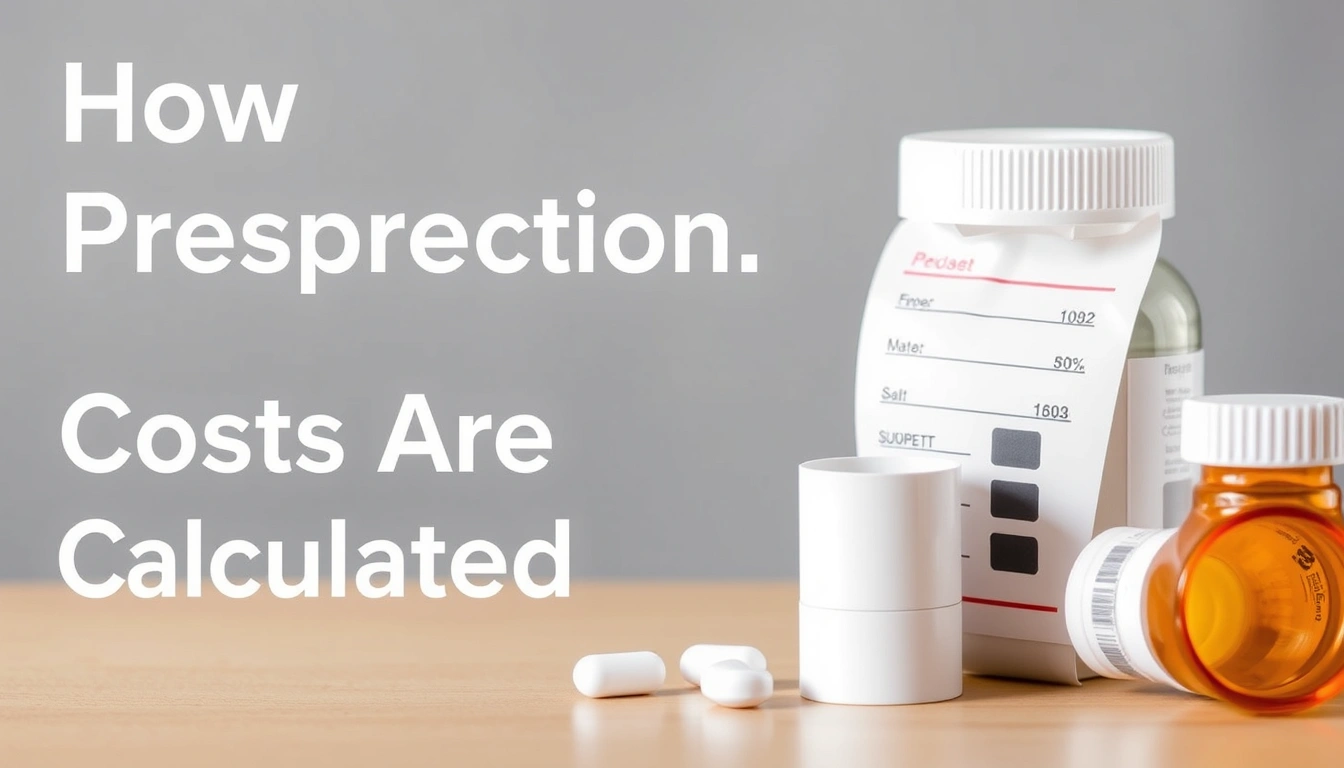
Prescription costs are built from several parts:
-
Drug list price
This is the starting price tied to the medicine itself. It may reflect the manufacturer’s price, but that is not always the same as what a patient pays in the pharmacy. -
Insurance rules
Your plan may place the drug on a formulary tier, which affects your copay or coinsurance. If the drug is not covered, you may pay much more. -
Deductible
If you have a deductible, you often pay most or all of the cost until you meet it. This is common in many high-deductible plans. -
Pharmacy and plan contract
Pharmacies and insurers negotiate rates. That is one reason the same prescription can cost different amounts at different stores. -
Dose and quantity
A 30-day supply may cost less than a 90-day fill in total, but pricing does not always scale evenly per pill. -
Generic or brand-name version
Generics are usually less expensive than brand-name drugs. Ask whether a generic is available and appropriate for your prescription, and consult a prescriber or pharmacist if you are unsure. NIH MedlinePlus -
Discounts and assistance
Coupons, discount cards, and manufacturer help programs can reduce the price, but they may not work with every plan or every drug.
How to Estimate What You Will Pay
Start with your insurance formulary.
Then check whether you still have deductible left to meet. Short and ugly, but useful.
A simple way to check your cost is to go in this order:
- Look up the drug on your insurance formulary.
- Check whether you still have deductible left to meet.
- Ask the pharmacy for the cash price and the insurance price.
- Compare the same prescription at more than one pharmacy.
- Ask your prescriber if a generic or lower-cost alternative fits your treatment plan, and confirm the change with a pharmacist or other healthcare professional. FDA: Generic Drug Facts
For example, a plan may cover a drug but still leave you with a full price charge until your deductible is met. Another plan may cover the same drug with a small copay but only at certain pharmacies. In 2023, the average annual deductible for workers with single coverage was $1,735, according to KFF.
What to Verify Before You Fill It
Before you pay, check these details:
- Drug name and strength: Small changes in dose can change the price.
- Quantity: Thirty pills and ninety pills do not always scale the same way, so the per-pill price may differ.
- Pharmacy network status: In-network pharmacies often cost less.
- Formulary status: Covered drugs usually cost less than noncovered drugs.
- Coupon rules: Some discounts cannot be combined with insurance.
- Refill timing: Early refills or partial fills can change what you owe.
Miss one checkbox here, and the bill can jump. Like a pothole.
A Real Limitation to Keep in Mind
Even careful price checking has limits. A drug that looks cheaper today may change price next month, and some low cash prices do not count toward your insurance deductible. So the “best” option is not always obvious unless you compare both the cash price and the insured price. In 2024, many plans still used pharmacy networks and tiered formularies, so the final amount can vary by benefit design.
When You Should Ask for Help
Talk to a pharmacist, prescriber, or insurer if:
- the price is much higher than expected,
- your claim is denied,
- the prescribed drug is not on your formulary,
- you need help choosing between a brand and a generic,
- you have side effects or think the medicine is not safe for you.
Serious side effects? Call a healthcare professional promptly. If symptoms are severe, get urgent medical care. No waiting around. NIH MedlinePlus: Drugs, Herbs and Supplements
Common Mistakes That Raise Costs
- Skipping the formulary check: You may end up paying for a nonpreferred drug.
- Assuming one pharmacy has the best price: It often does not.
- Not asking about generics: This can leave easy savings on the table.
- Missing deductible status: You may be surprised by a full-price bill.
- Using a coupon without checking the rules: Some coupons cannot be used with insurance.
Small miss, big bill.
Special Situations
Some cases need a different approach:
- Specialty drugs: These often have higher prices and tighter coverage rules.
- High-deductible plans: You may need to budget more carefully early in the year because you may pay full price until the deductible is met.
- Uninsured patients: Cash price, discount programs, and patient assistance programs may matter more than insurance-style copays.
- International purchases: Rules differ by country, so check local laws and safety standards before buying.
One size does not fit here.
Bottom Line
Prescription costs are usually calculated from the drug price, your insurance design, the pharmacy’s contracted rate, and any discounts you can use. The best way to lower what you pay is to check coverage, compare pharmacies, and ask about lower-cost options before you fill the prescription.