Last updated: August 10, 2026
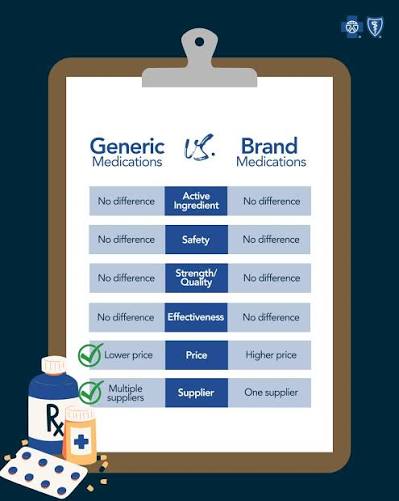
A brand-name pill can cost far more than its generic twin, yet both may do the same job. So the real question is blunt: will it work the same way for your condition, and what will it cost? In many cases, yes on effectiveness and no on price. The FDA says generic drugs use the same active ingredient, strength, dosage form, and route of administration as the brand drug they copy, and its “Generic Drugs: Questions & Answers” page explains that small differences may remain.
Quick Answer
For most common prescriptions, a generic is the lower-cost choice and a brand name is the higher-cost choice. The U.S. Food and Drug Administration says generics must meet the same quality and performance standards as brand-name drugs. A 2022 FDA page also notes that generics cost about 80% to 85% less than brand-name drugs on average, and FDA materials say generics make up about 90% of U.S. prescriptions. Cheap, yes — but not cheap in quality.
Key Takeaways
- Brand and generic drugs must contain the same active ingredient.
- Generics usually cost less because manufacturers do not repeat the original brand’s research and marketing costs.
- The FDA allows small differences in inactive ingredients such as dyes or fillers.
- Some people notice a change when switching products, especially with narrow-therapeutic-index drugs.
- Ask a clinician or pharmacist before switching if you take a drug where small changes matter, such as some seizure, heart, or thyroid medicines.
What Is the Real Difference?
Brand-name medicines are the original products sold by the company that developed them. That company gets patent protection for a period of time. Once that protection ends, other manufacturers can sell the same active drug under its generic name.
The active ingredient is the main issue. The FDA requires the generic to match the brand in strength, dosage, and route of use. Color, shape, packaging, and inactive ingredients can still differ. Those changes help lower cost, but they can matter if you have an allergy or a sensitivity. Oddly enough, a tiny dye can be the whole headache.
Why Brand Name Drugs Can Still Be the Right Choice
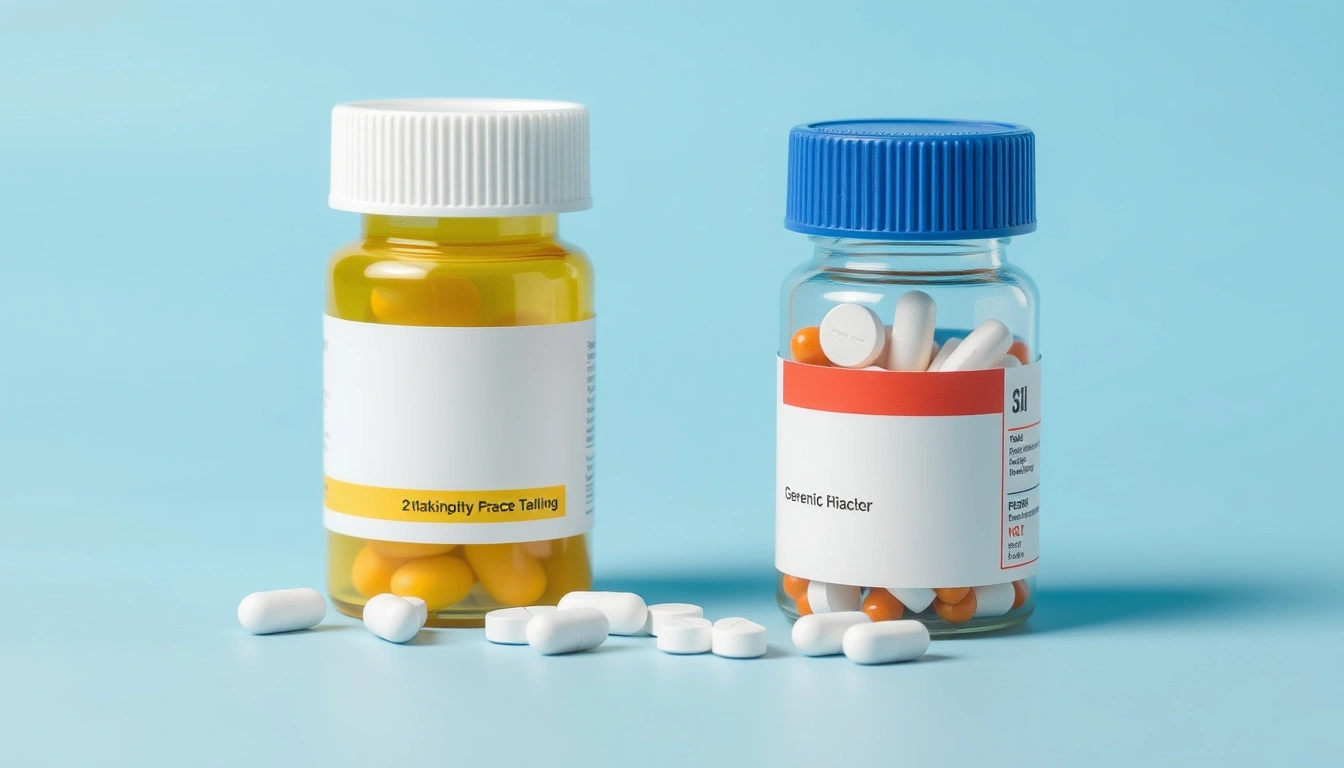
Sometimes the exact product matters. A brand drug can be the better pick if your doctor wants you to stay on one manufacturer’s version, or if you have had a reaction to an ingredient used in a generic version. Some brand products also have delivery systems that are easier for certain patients to use.
Price is the trade-off, plain and simple. Brand-name drugs often cost much more than generics, and insurance plans may place them in a higher copay tier. If cost is a problem, ask your pharmacist whether a lower-cost equivalent exists, or check a plan formulary like Medicare drug coverage.
Why Generics Are Often a Good Fit
Generic medications are often a practical choice for long-term treatment. They can lower monthly costs for conditions such as high blood pressure, high cholesterol, or acid reflux. In the U.S., generic prescriptions make up the large majority of fills, and the FDA has reported that they account for about 90% of prescriptions while representing a much smaller share of total drug spending. For a broader view, see FDA generic drugs.
But “generic” does not mean perfect for everyone. Two products can be medically equivalent and still feel slightly different to a patient. For example, a tablet that looks different may still dissolve and absorb within the FDA’s allowed range, but a sensitive patient may notice a change. If that happens, do not stop the medicine on your own; consult your prescriber or pharmacist. A switch can feel like a pebble in the shoe.
How to Compare Brand Name vs. Generic Medications
Start with the active ingredient and dose, then check whether your condition is one where small changes matter. Compare cost, copay, and refill availability next. After that, ask whether the tablet, capsule, or inhaler design is the same, because technique can affect results. If you want a quick review, bring the bottle or prescription printout to your pharmacist. For related guidance, see how to read a prescription label and questions to ask your pharmacist.
Common Mistakes and Risks
One common mistake is assuming a lower price always means the same fit for every person. Another is switching back and forth between products without telling your care team. Pharmacy substitutions can also confuse patients who track side effects by pill color or shape, so ask a clinician or pharmacist if a change in appearance is expected.
A bigger risk is ignoring warning signs after a switch. If you notice rash, dizziness, swelling, mood changes, or worse control of your condition, report it quickly. Keep the medication name, dose, and manufacturer on hand when you call. That detail helps a clinician see whether the problem is tied to a specific product.
Side-by-Side Comparison
| Factor | Brand Name | Generic |
|---|---|---|
| Active ingredient | Same drug | Same drug |
| Cost | Usually higher | Usually lower |
| Inactive ingredients | Set by the maker | May differ |
| FDA review | Approved for safety and effectiveness | Must show it matches the brand within FDA rules |
| Best use | When a specific formulation is needed | When cost matters and the match is appropriate |
When to Recheck the Choice
Revisit the decision if your symptoms change, your pharmacy changes suppliers, or your insurance plan changes in the new year. This matters most for medicines where small dose changes can affect how you feel. If you are unsure, ask a pharmacist or prescriber for advice before you switch. For a medication-specific example, review narrow therapeutic index drugs or compare options on brand vs. generic price savings.