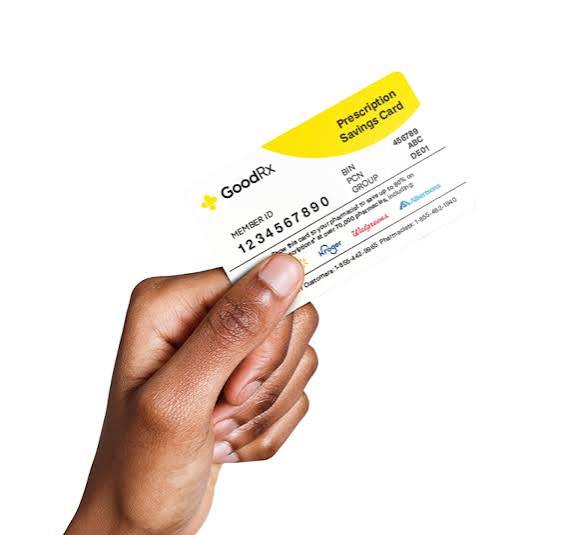
“`html
How to Use Prescription Discount Cards Effectively
Last updated: August 09, 2026
Quick Answer
You can save an average of 15-80% on prescription medications using discount cards. These cards can significantly reduce costs, especially for those without insurance or with high prescription costs.
Key Facts / Key Takeaways
- Prescription discount cards can offer average savings of 15-80%.
- Cards are most beneficial for uninsured individuals or those with high prescription drug costs.
- Verify compatibility and coverage with your pharmacy and medications to ensure savings.
- Privacy and data security should be reviewed to prevent breaches; consult professionals if concerned.
- Consult healthcare professionals for advice on complex conditions or medication management.
Who This Applies To — and Who Should See a Professional Instead
Prescription discount cards are a valuable tool for reducing medication costs. Specifically, they are aimed at individuals who lack insurance or have high prescription costs. These cards are also helpful for medications not covered by insurance plans. However, they may not suit everyone. For those with complex medical conditions or multiple prescriptions, consulting a healthcare professional is advisable. This ensures you receive guidance tailored to your health needs.
The Step-by-Step Process for How to Use Prescription Discount Cards Effectively (Done Correctly)
To use prescription discount cards effectively, follow these steps:
- Research Available Cards: Explore different card programs by comparing their benefits, discounts, and pharmacies.
- Select a Compatible Card: Choose a card that seems to offer an advantageous discount for your specific medications. Ensure acceptance by your pharmacy.
- Download or Request the Card: Obtain the card via download from the program’s website or request a physical copy. Always use the latest version.
- Verify Discounts: Before visiting the pharmacy, verify the discount for your medication on the card’s website or app. Prices vary.
- Present Card at Pharmacy: Present the card at the pharmacy counter when filling your prescription and confirm the discount.
- Monitor and Compare Prices: Regularly compare prices using different cards and pharmacies to maintain savings. Prices fluctuate.
- Keep the Card Handy: Carry the card or have it accessible on your phone for convenient use when buying medications.
Critical Checkpoints: What to Verify Before Moving Forward
Before using a prescription discount card, verify the following:
- Pharmacy Participation: Check if your preferred pharmacy accepts the card and offers competitive pricing.
- Medication Coverage: Confirm inclusion of your medications in the discount program.
- Discount Validity: Ensure the discount is current and applicable to your medications.
- Insurance Impact: Understand how using a discount card may affect insurance benefits like deductibles.
- Privacy Concerns: Review the program’s privacy policy for personal and medical data protection.
Warning Signs: When to Stop and Get Help
Using prescription discount cards can have issues. Be aware of these warning signs:
Incorrect Pricing: Discounts differing from expected savings may indicate card or pharmacy issues. Ask the pharmacist to recheck.
Incompatible Medications: If medications aren’t covered, consult your doctor for alternatives.
Insurance Conflicts: Negative impacts on insurance coverage warrant consulting your insurer or a healthcare professional.
Privacy Breach Concerns: If data security seems compromised, review the program’s privacy terms. Consult a professional and refer to resources like PrivacyRights.org for more information.
Unexpected Fees: Additional unexpected fees should pause card use until clarified.
The Most Common Mistakes (and Their Real Consequences)
- Ignoring Pharmacy Compatibility: Non-acceptance of cards by some pharmacies can cause unexpected costs. Verify card acceptance first.
- Overlooking Fine Print: Ignore terms, and you may face fees or exclusions. Review details carefully.
- Not Comparing Prices Regularly: Price changes over time mean regular comparisons are necessary for savings.
- Failing to Update Cards: Using outdated cards can lead to denied discounts. Keep cards current.
- Assuming All Medications are Covered: Not every medication is eligible for discounts. Check coverage for each prescription.
Edge Cases and Modified Approaches
Some situations require modified approaches for using prescription discount cards:
- High-Cost Specialty Medications: Standard cards may not cover these. Seek specialized programs or discounts from manufacturers.
- Medicare and Medicaid Recipients: Ensure using a discount card doesn’t affect benefits. Some may not align with government insurance.
- Non-Participating Pharmacies: If local pharmacies don’t accept cards, consider switching or using mail-order services.
- International Prescriptions: Confirm card validity internationally or find local equivalents for medications outside the U.S.
What to Expect: Realistic Timeline and Outcomes
When using prescription discount cards effectively, timelines and outcomes vary:
- Immediate Savings: Expect immediate savings once the card is accepted at purchase.
- Ongoing Monitoring: Keep checking prices and comparing cards to maintain savings.
- Potential for Increased Access: Cards can improve access to necessary medications by lowering costs.
- Variable Savings: Savings fluctuate by medication, pharmacy, and card. Regular reassessment optimizes benefits.
By carefully following the steps and being aware of common pitfalls, you can significantly reduce medication costs with prescription discount cards. Seek advice from healthcare professionals when needed. Using them can result in savings between 15-80% on medications, as supported by sources like GoodRx.
“`